
A hailstorm passes through. The roof gets inspected. The insurance company sends an estimate. A check arrives. Many property owners assume the process is finished. However, that assumption can be expensive. The reality is that Hail Damage Claim Supplements: What Carriers Miss in Their Scope is one of the most important topics homeowners should understand before repairs begin. Initial insurance estimates are often based on limited inspections, tight timelines, and information available at the time of the adjuster’s visit. As a result, legitimate damage and necessary repair items may not appear in the original scope.
I’ve seen it happen repeatedly. A roof replacement starts. Materials are removed. Hidden damage appears. Building code requirements come into play. Suddenly, the contractor discovers that the insurance estimate does not fully account for what is actually required to restore the property. That is where supplements become critical. When supported by detailed documentation and accurate Xactimate estimating, supplements can help ensure repairs reflect real-world conditions rather than incomplete assumptions. For property owners in New Braunfels, understanding this process can make a substantial difference in the final claim outcome.
What Is a Hail Damage Claim Supplement?
A supplement is a request to revise an insurance estimate after additional information becomes available. Think of the original estimate as a starting point, not necessarily the final answer. When contractors, public adjusters, engineers, or inspectors identify missing items, hidden damage, pricing discrepancies, or code-related requirements, those findings can be submitted to the insurance carrier for review. The purpose is simple. The scope should reflect the actual work required to restore the property.
Original Estimate vs Supplement
| Original Estimate | Supplement |
| Based on initial inspection | Based on additional findings |
| May contain omissions | Addresses missing items |
| Created early in claim process | Submitted after further review |
| Often limited to visible damage | Includes hidden damage and code issues |
| Initial payment amount | Additional payment request |
Supplements are not unusual. In fact, they are common in hail claims because many roofing components cannot be fully evaluated until work begins.
Why Supplements Are Often Necessary
Many people wonder why the insurance company doesn’t simply include everything from the start. The answer is more practical than malicious. Adjusters frequently inspect dozens of properties after major storms. Time is limited. Access may be restricted. Some damage simply isn’t visible during an exterior inspection.
Several situations commonly trigger supplements:
- Hidden decking damage
- Additional underlayment requirements
- Building code upgrades
- Material price changes
- Ventilation deficiencies
- Flashing replacement needs
- Detach-and-reset requirements
- Safety and access considerations
Each item may appear minor on its own. Together, they can add thousands of dollars to a claim.
Why Insurance Carrier Scopes Frequently Miss Damage
Let’s be clear. Most adjusters work hard and attempt to create accurate estimates. Still, limitations exist.
Catastrophe Claim Volume
After a significant hail event, insurance carriers may receive thousands of claims within a short period. That volume creates pressure. Inspections move quickly. Reports are completed rapidly. Decisions must be made efficiently. Unfortunately, speed and accuracy do not always work well together.
Limited Inspection Time
A roof inspection may last less than an hour. That is not always enough time to evaluate every component thoroughly. The adjuster may identify obvious hail impacts while overlooking supporting components that must also be replaced.
Remote Estimating
Technology has changed the industry. Aerial imagery, satellite measurements, and remote assessments can be helpful. Yet they cannot replace a detailed physical inspection.
Photographs do not always reveal:
- Damaged flashing
- Ventilation problems
- Hidden moisture
- Code deficiencies
- Installation concerns
As a result, important line items may never enter the estimate.
Experience Levels Vary
Not all adjusters possess the same roofing knowledge. Some have extensive construction backgrounds. Others do not. That difference matters significantly when evaluating complex hail losses.
The Most Commonly Missed Roofing Components
One of the biggest lessons from Hail Damage Claim Supplements: What Carriers Miss in Their Scope is that missing items are often found in the details. The shingles may be included. Everything surrounding the shingles may not.
Starter Shingles
Starter shingles play a crucial role in wind resistance and water protection. However, they are frequently overlooked. Many estimates include field shingles while omitting starter materials entirely. That creates a gap between what is estimated and what must actually be installed.
Ridge Caps
Ridge caps protect the highest points of the roof system. When a roof is replaced, ridge caps are often replaced as well. Yet some estimates fail to account for them properly. A seemingly small omission can affect both material and labor costs.
Drip Edge
Drip edge protects roof edges and directs water away from the structure. Modern building codes frequently require it. When it is missing from an estimate, contractors may face additional expenses during installation.
Underlayment
Underlayment serves as a secondary water barrier beneath shingles. Damage is often discovered after tear-off begins. At that point, replacement becomes necessary. If the original estimate excluded underlayment, a supplement may be required.
Ice and Water Shield
Depending on local requirements and roof design, additional protective barriers may be needed. Insurance estimates sometimes omit these materials despite code or manufacturer requirements.
Ventilation Components That Often Get Missed
Ventilation affects roof performance, energy efficiency, and moisture control. Unfortunately, it can also be overlooked during claim inspections.
Commonly missed items include:
- Ridge vents
- Static vents
- Turbine vents
- Power vents
- Ventilation upgrades
A roof replacement that ignores damaged ventilation components is incomplete. Proper restoration means evaluating the entire roofing system, not just the shingles.
Flashing: Small Components, Big Consequences
Flashing is one of the most overlooked areas in hail claims. That is surprising because flashing failures frequently lead to leaks. Common flashing components include:
Step Flashing
Installed where roofing meets walls.
Counter Flashing
Protects transitions around masonry and vertical surfaces.
Chimney Flashing
Critical for preventing water intrusion. When flashing cannot be reused or is damaged during removal, replacement may be necessary. If those items are not included in the estimate, costs can quickly increase.
Soft Metal Damage Matters More Than Many Realize
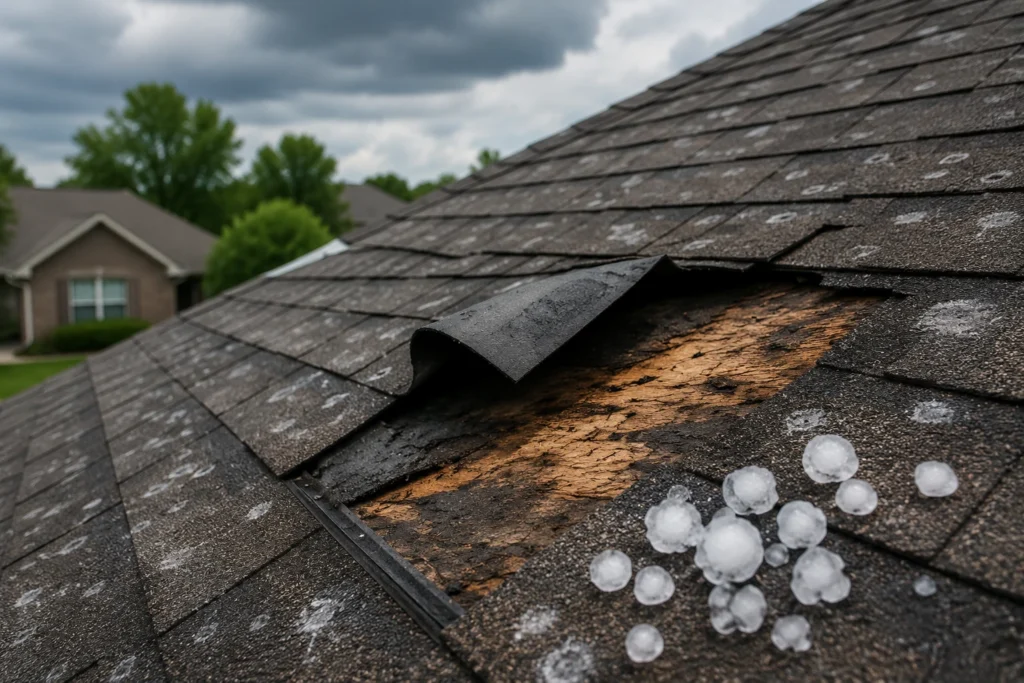
Some adjusters focus heavily on roofing materials while treating soft metal damage as secondary. That can be a mistake.
Hail frequently damages:
- Gutters
- Downspouts
- Roof vents
- Flashings
- Metal caps
- HVAC components
Soft metal damage often provides clear evidence of storm intensity. More importantly, damaged components may require replacement even when they continue functioning. Ignoring those items may result in incomplete restoration.
Hidden Damage That Appears After Tear-Off
Here is where supplements become especially important. The roof comes off. Then the real story begins.
Decking Damage
The roof deck forms the structural foundation beneath roofing materials.
Once exposed, contractors may discover:
- Rot
- Moisture damage
- Delamination
- Structural deterioration
None of these issues are easily visible during an initial inspection. Yet they must be addressed before installation can continue.
Fastener Problems
Modern codes often require specific fastening patterns.
During construction, contractors may discover:
- Improper nail placement
- Insufficient fastening
- Existing installation defects
Corrections create additional labor and material costs. Those costs belong in the claim when supported by documentation.
Secondary Water Damage
Water intrusion frequently hides beneath roofing systems. By the time the roof is removed, moisture may have affected:
- Decking
- Insulation
- Ventilation systems
- Structural members
These findings often lead to legitimate supplement requests.
Building Codes Create Major Supplement Opportunities
One of the largest areas of underpayment involves code compliance. Buildings evolve. Codes evolve too. A roof installed twenty years ago may not satisfy today’s requirements. That matters because restoration frequently requires compliance with current standards.
Common Code-Related Supplement Items
| Item | Why It Matters |
| Drip edge | Often required by current codes |
| Ventilation upgrades | Needed for compliance |
| Fastener requirements | Updated installation standards |
| Underlayment changes | Enhanced protection standards |
| Ice barriers | Required in certain applications |
Many insurance policies contain Ordinance or Law coverage that may help address these additional costs. However, the carrier must first understand why the upgrade is required. Documentation becomes essential.
Why Documentation Wins Claims
Emotion rarely wins supplement negotiations. Evidence does.
The strongest supplement files typically include:
- Detailed photographs
- Contractor reports
- Code references
- Manufacturer specifications
- Measurement reports
- Inspection notes
Every item should tell a clear story. The goal is not to argue. The goal is to prove. When evidence supports the request, discussions become more productive and approvals become more likely. In many ways, the claims process resembles a Stochastic Process, where outcomes evolve as additional information becomes available through inspections, documentation, and construction discoveries.
Understanding Xactimate
At the center of many successful supplements is Xactimate. Xactimate is the estimating platform most commonly used throughout the property insurance industry. It provides standardized pricing and line-item estimating methods. Insurance carriers use it. Public adjusters use it. Contractors use it. That shared language matters. When supplement requests are presented in Xactimate format, carriers can evaluate them more efficiently. Instead of debating general concepts, everyone reviews the same structure, measurements, labor categories, and pricing framework. And that is where expertise creates value.
One important point to remember is that an incomplete estimate does not automatically mean the claim process is over. In fact, many property owners searching for information about What to Do If Your Hail Claim Was Denied discover that additional inspections, supplemental documentation, contractor reports, and detailed Xactimate reviews can sometimes uncover legitimate damage or repair requirements that were not fully considered during the initial evaluation. Thorough documentation and a careful review of the carrier’s scope often provide valuable insight into potential next steps.
Common Xactimate Line Items Carriers Frequently Miss
This is where expertise begins to separate a routine estimate from a truly complete scope. Many initial estimates include the obvious roofing materials. The challenge is that roofing projects involve far more than shingles. A detailed Xactimate review often reveals missing line items that directly affect project costs.
Steep Roof Charges
Not all roofs are easy to access. Some slopes require additional safety precautions, specialized equipment, and slower production rates.
Steeper roofs often involve:
- Additional labor
- Increased safety requirements
- Extended installation time
- Specialized equipment
If these factors are absent from the estimate, labor costs may be understated.
High Roof Charges
Height matters. A two-story roof typically requires more effort than a single-story roof. Material transport becomes more difficult. Safety concerns increase. Production efficiency decreases. These factors frequently justify additional line items.
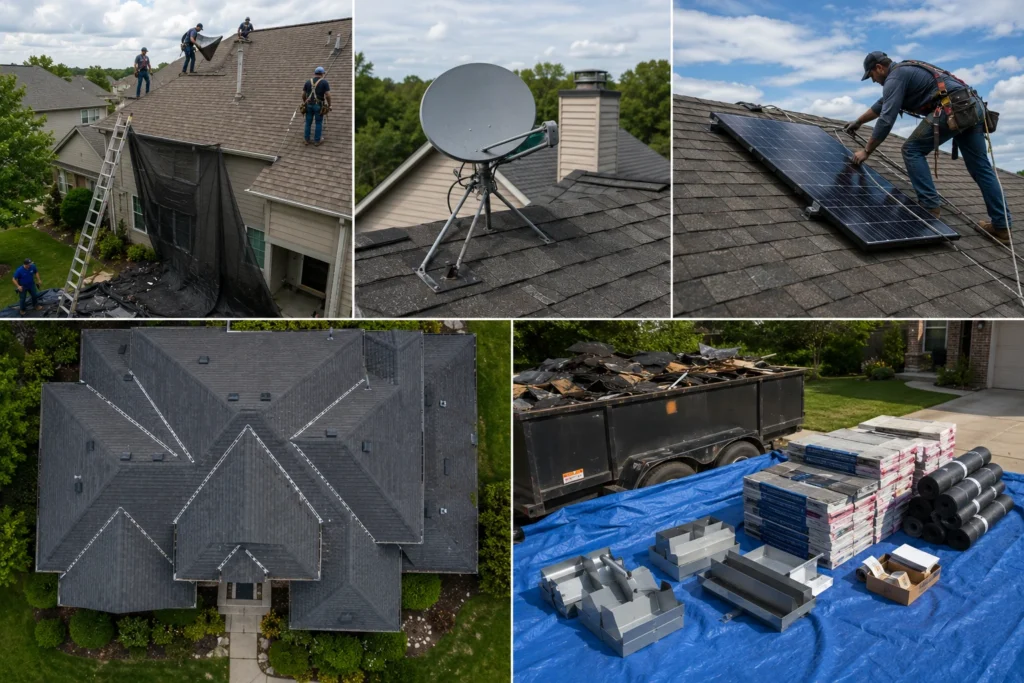
Detach and Reset Items
Many roof systems include components that must be temporarily removed and reinstalled.
Examples include:
- Satellite dishes
- Solar panels
- Security cameras
- HVAC equipment
- Antennas
These items require labor. Yet they are commonly omitted from initial carrier estimates.
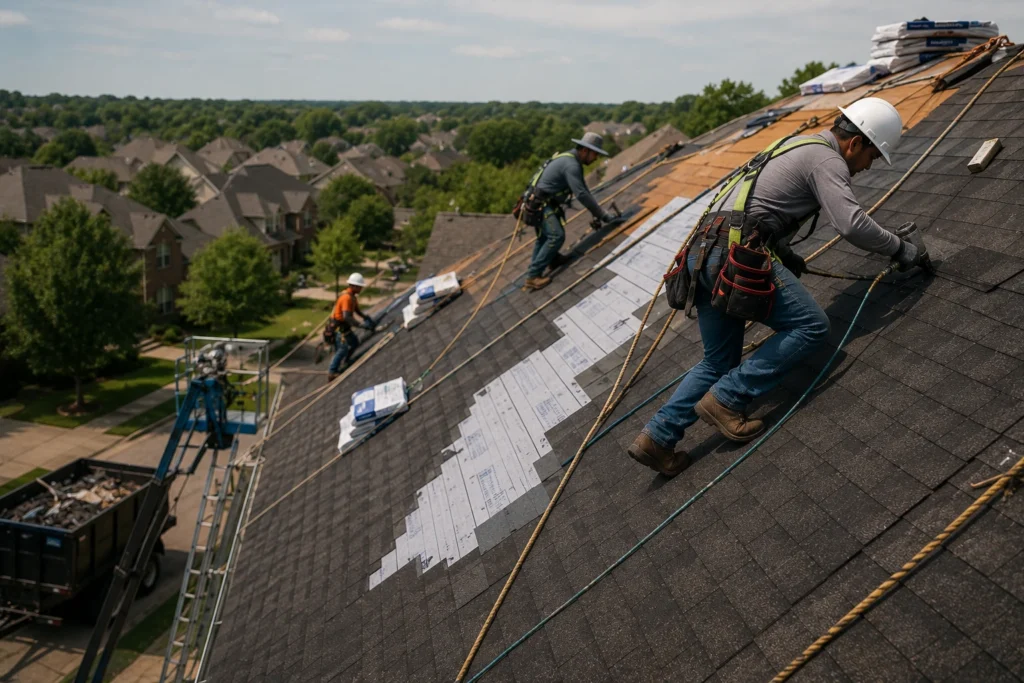
Safety Requirements
Modern construction places a significant emphasis on worker safety.
Depending on roof conditions, contractors may require:
- Fall protection systems
- Safety harnesses
- Specialized access equipment
- Additional labor support
These costs are real. When properly documented, they should be considered during scope development.
Waste Factors
Roof layouts are rarely perfect rectangles. Valleys. Dormers. Hips. Complex architectural features. All of these increase material waste. A generic waste factor may not accurately reflect actual project conditions. Xactimate expertise allows estimates to account for real-world installation requirements rather than simplified assumptions.
Overhead and Profit
Some projects require multiple trades. Roofing. Gutters. Interior repairs. Painting. Electrical work. When multiple trades must coordinate work, overhead and profit considerations may become relevant. Failure to account for project management requirements can contribute to underpayment.
How Public Adjusters Build Strong Supplements

A successful supplement does not happen by accident. It follows a structured process. The strongest supplement packages combine technical knowledge, documentation, and persistence.
Detailed Property Inspections
Every supplement begins with a thorough inspection. Nothing should be assumed. Measurements are verified. Components are reviewed. Damage is documented. Potential code issues are identified. The objective is simple: understand the full scope before negotiations begin.
Comprehensive Photo Documentation
Photos tell the story.
Strong supplement files often contain:
- Wide-angle roof photographs
- Close-up hail impact images
- Flashing documentation
- Ventilation photographs
- Interior damage photos
- Measurement verification images
Good documentation reduces uncertainty. Reduced uncertainty often leads to faster decisions.
Contractor Coordination
Experienced contractors frequently identify items that become visible only during construction. Their observations can be valuable. When contractors and public adjusters work together, supplement requests often become more detailed and better supported.
Supporting Evidence Packages
The best supplement submissions are organized.
A strong package may include:
- Xactimate estimate revisions
- Contractor reports
- Building code references
- Manufacturer installation requirements
- Engineering reports when necessary
- Photo documentation
The goal is clarity. The easier it is for a carrier to understand the issue, the easier it becomes to evaluate the request.
The Supplement Negotiation Process
Many homeowners assume supplements automatically lead to conflict. That is not necessarily true. In many cases, supplements are simply part of the normal claims process.
Step One: Identify Missing Scope
The process starts by determining what was omitted.
That may involve:
- Additional damage
- Code upgrades
- Hidden conditions
- Labor requirements
- Material discrepancies
Every item must be supported by evidence.
Step Two: Prepare the Supplement
Documentation is assembled. Photos are organized. Reports are gathered. Xactimate estimates are updated. A clear explanation accompanies each requested change. Organization matters. A scattered submission often creates delays.
Step Three: Carrier Review
The insurance carrier reviews the information. Additional questions may follow. Requests for clarification are common. This stage often determines how quickly the claim progresses.
Step Four: Reinspection
Sometimes the carrier sends another representative to evaluate the findings. Reinspections can be beneficial. They allow newly discovered conditions to be viewed firsthand. In many cases, visible evidence significantly strengthens the supplement request.
Step Five: Approval and Payment
When the carrier agrees with the additional scope, supplemental payments may be issued. The claim amount increases to reflect the newly documented requirements. This process helps bridge the gap between the original estimate and actual restoration costs.
The Real Financial Impact of Proper Supplements
Small omissions rarely stay small. Let’s look at a simplified example.
| Missing Item | Estimated Cost Impact |
| Starter shingles | $300–$800 |
| Ridge cap replacement | $400–$1,200 |
| Underlayment | $1,000–$3,000 |
| Flashing replacement | $500–$2,000 |
| Ventilation upgrades | $500–$2,500 |
| Decking replacement | $1,000–$5,000+ |
Individually, these numbers may not seem overwhelming. Combined, they can represent thousands of dollars. That difference may determine whether repairs are completed properly or whether property owners face unexpected out-of-pocket expenses. This is one reason why Hail Damage Claim Supplements: What Carriers Miss in Their Scope continues to be such an important topic for property owners.
Why Local Knowledge Matters in New Braunfels Hail Claims
Every market is different. Construction practices vary. Material pricing varies. Building departments vary. Storm patterns vary. Local experience matters because local conditions influence claim outcomes. Property owners in New Braunfels often deal with severe weather events capable of producing significant hail damage. Understanding regional construction methods and local repair costs helps create more accurate scopes.
Understanding Local Construction Practices
Roof systems differ from neighborhood to neighborhood. Some homes use architectural shingles. Others feature metal roofing systems. Some properties have complex roof designs that require additional labor and materials. Recognizing those differences is essential during claim preparation.
Familiarity With Local Requirements
Building code enforcement can significantly affect restoration costs. Professionals familiar with local requirements are often better positioned to identify code-related supplement opportunities. That knowledge helps ensure important items are not overlooked.
Regional Pricing Awareness
Material costs fluctuate. Labor costs fluctuate. Market conditions change. Local estimating knowledge helps ensure pricing reflects actual rebuilding conditions rather than outdated assumptions.
Signs Your Insurance Estimate May Be Missing Scope
Not every estimate is incomplete. However, certain warning signs deserve attention.
Extremely Low Estimate Totals
If the estimate seems dramatically lower than contractor proposals, further review may be warranted. Large discrepancies often indicate missing scope.
Missing Roofing Accessories
A roof replacement typically involves more than shingles. If accessories are absent, questions should be asked.
Minimal Line Items
Short estimates sometimes indicate limited scope development. Comprehensive projects generally require detailed line-item breakdowns.
No Code-Related Considerations
Building code requirements frequently affect restoration. An estimate with no code-related discussion may deserve closer examination.
Limited Documentation
Few photographs. Minimal explanations. Sparse notes. These may indicate additional investigation is needed.
Questions Property Owners Should Ask
When reviewing an insurance estimate, consider asking:
- Were all roofing components evaluated?
- Were flashing systems included?
- Were ventilation requirements reviewed?
- Were code upgrades considered?
- Were steep and high roof charges evaluated?
- Were detach-and-reset items included?
- Were hidden damage possibilities discussed?
The answers may reveal opportunities for further review.
Why Public Adjusters Make a Difference
Insurance companies have professionals representing their interests. Property owners deserve knowledgeable representation as well. Public adjusters focus on evaluating the claim from the policyholder’s perspective.
Independent Assessment
An independent review often identifies items that may not appear in the original estimate. Fresh eyes matter. Especially after major storms.
Xactimate Expertise
A thorough understanding of Xactimate allows estimates to be reviewed line by line. Missing items become easier to identify. Scope discrepancies become easier to explain. And negotiations become more productive.
Documentation and Organization
Successful supplements depend on evidence. Public adjusters help gather, organize, and present that evidence in a manner carriers can evaluate efficiently.
Claim Advocacy
The goal is not confrontation. The goal is accuracy. When all legitimate damage and repair requirements are documented properly, the claim process tends to become more transparent and effective.
Bringing It All Together
The first insurance estimate is not always the final word. In many hail claims, important details emerge after the initial inspection. Hidden damage becomes visible. Building code requirements surface. Roofing accessories, flashing systems, ventilation components, and labor considerations may require additional attention. That is precisely why Hail Damage Claim Supplements: What Carriers Miss in Their Scope remains such a critical subject for homeowners and commercial property owners alike. The difference between an incomplete estimate and a fully documented scope can be substantial.
Sometimes it is a few hundred dollars. Sometimes it is several thousand. Either way, the objective remains the same: restore the property correctly. For property owners in New Braunfels, understanding supplements and leveraging experienced Xactimate analysis can help ensure that legitimate repair requirements are properly identified, documented, and presented throughout the claims process.
When damage is overlooked, supplements provide a path forward. When evidence supports the request, carriers have an opportunity to reassess the scope. And when estimates accurately reflect real-world repair requirements, everyone benefits. That is the value of thorough inspections, strong documentation, and professional Xactimate expertise.
FAQs
A hail damage claim supplement is a request for additional claim payment based on damage, costs, or repair requirements that were not included in the original estimate.
Initial inspections may be limited by time, accessibility, weather conditions, or damage that is not visible until repairs begin.
Yes. Receiving an initial payment does not necessarily prevent you from requesting additional compensation for newly discovered covered damage.
Xactimate provides standardized pricing and line-item estimating, making it easier to identify missing scope and support supplement requests.
Yes. Supplements are common because hidden damage, code requirements, and overlooked components are often discovered after the initial inspection.
Starter shingles, ridge caps, flashing, underlayment, drip edge, ventilation components, and detach-and-reset items are frequently overlooked.
In many cases, yes. If current building codes require upgrades during repairs, those costs may be considered depending on the policy and supporting documentation.
Timelines vary by carrier and claim complexity, but many supplements are reviewed within several weeks after submission.
Yes. Contractors often identify hidden damage and construction-related requirements that support a more accurate scope of repair.
If you believe damage was overlooked, the estimate seems incomplete, or you are facing claim disputes, a public adjuster can provide an independent review.